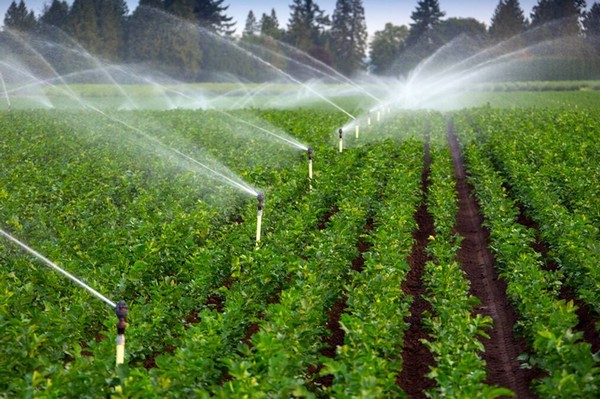
Irrigation is described as the artificial application of water to the land or soil. It is the substitute or supplement of rainwater with another source of water.
Overview
The major aim of irrigation systems is to help out in the growth of agricultural crops and vegetation by maintaining the minimum amount of water required, maintenance of landscapes, and re-vegetation of disturbed soils.
Agricultural scientists stated that irrigation also has a few other uses in crop production, which include protecting plants against frost, suppressing wild plant growing in grain fields and helping to avert soil consolidation.
Two of the most common landscaping watering systems are drip irrigation and sprinkler systems.
Drip Irrigation System
Drip irrigation systems dispense water in a controlled manner. Using a series of long plastic pipes, drip irrigation is usually low to the ground, so less water is lost to runoff and evaporation. At regular intervals, or depending on the yard design, there are openings in the irrigation pipes to allow water to come out.
Advantages :
- Reduces water waste
- More cost-effective for individual plant watering
- Prevents significant soil erosion
- Simple to have installed
- Cuts down on weeds
- Prevents disease due to overwatering
Sprinkler System
While a drip irrigation system is above ground, when it comes to sprinklers, the pipes are underground with only the sprinkler heads visible above ground. When activated, sprinkler systems spray out significant amounts of water to cover a large amount of ground. Sprinklers laid out by our team of professional landscapers can be placed so that your yard will receive the right amount of water coverage with no areas left unwatered.
Advantages :
- Good for all different types of soil
- Can program to run on a timer
- Pipes safe underground
- Covers large areas easily
- Can add additives like pesticides and fertilizers to some systems
- Less likely to become plugged